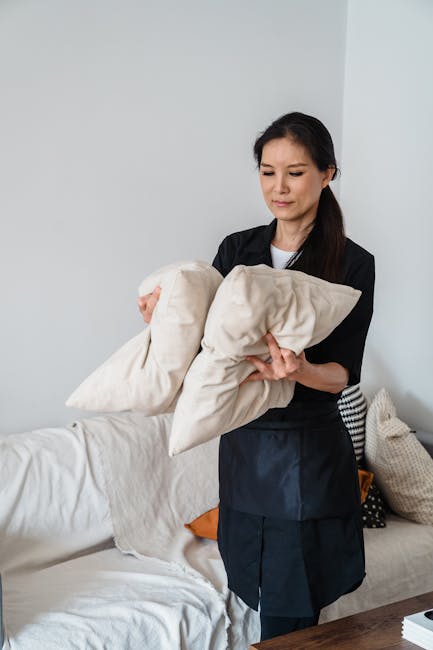
Hattersley upholstery cleaning guide for local homes

If your sofa has seen one too many tea spills, the dining chairs are looking a bit tired, or the arm of a favourite chair has gone shiny from daily use, you are in the right place. This Hattersley upholstery cleaning guide for local homes is designed to help local homeowners understand what really works, what to avoid, and when a professional clean makes more sense than another do-it-yourself attempt. Upholstery can look simple on the surface, but fabrics, fillings, stains, and drying times all behave differently. Get it wrong and you can end up with water marks, lingering smells, or fibres that feel rough instead of refreshed. Get it right, though, and the room feels cleaner, brighter, and oddly more spacious. Funny how that happens.
This guide covers the practical side of upholstery care in a normal home setting: everyday maintenance, stain handling, cleaning methods, safety considerations, and the small judgement calls that make a big difference. If you are comparing options, it also shows where related services such as professional upholstery cleaning, sofa cleaning, and targeted stain removal fit into the picture. Let's get into it.
Why Hattersley upholstery cleaning guide for local homes Matters
Upholstery gets a rough deal. It collects body oils, dust, crumbs, pet hair, pollen, and the occasional spill, then quietly holds onto them while the rest of the room looks fine. In a busy home, that build-up is usually gradual, so people stop noticing it. Then one sunny morning the light hits the sofa and suddenly, well, there it is.
For local homes, upholstery cleaning matters for three reasons. First, it helps maintain a fresher indoor environment. Second, it extends the life of fabric and cushioning, which matters when replacing a sofa is no small purchase. Third, it makes the whole room feel more cared for. A clean chair or sofa changes the mood of a space in a way that is surprisingly noticeable.
There is also a practical side. Everyday use in family homes, especially with children or pets, means spills and wear happen fast. A sensible cleaning routine prevents small issues from turning into stubborn stains or unpleasant odours. If you already look after carpets too, it often makes sense to coordinate fabric care with carpet cleaning so the home feels uniformly fresh rather than half done.
Expert summary: The best upholstery cleaning approach is not the strongest one; it is the one matched to the fabric, the stain, and the drying conditions in your home.
How Hattersley upholstery cleaning guide for local homes Works
Good upholstery cleaning is part inspection, part preparation, part controlled moisture. The basic idea is simple: remove loose dirt first, treat stains carefully, apply the right cleaning solution or method, then extract residue and dry the fabric as evenly as possible. The hard bit is the judgement. Different fibres react differently to water, heat, agitation, and chemicals.
Most professional or well-managed home cleaning follows a sequence like this:
- Inspection: identify fabric type, colour stability, wear points, and visible stains.
- Testing: check a small hidden area before using any product on the full item.
- Dry soil removal: vacuum thoroughly to lift dust and grit.
- Spot treatment: address spills and marks with suitable stain-handling methods.
- Main clean: use the method that suits the upholstery, such as low-moisture cleaning, foam, or extraction where appropriate.
- Rinse or residue removal: reduce product build-up so the fabric does not feel sticky later.
- Drying: allow airflow and time for the fabric to dry fully.
- Final grooming: brush pile fabrics gently and reset cushions.
That all sounds neat on paper. In real homes, you may be working around school runs, pets wanting back on the sofa immediately, and a radiator that is doing its best but not enough. Still, patience wins here. Rushing the drying stage is one of the quickest ways to undo a good clean.
For larger seating areas or mixed-fabric furnishings, it can be useful to compare specialist options such as rug cleaning and curtain cleaning, because soft furnishings often collect dust and odours in similar ways. Different fabric, same general logic: treat the textile respectfully and don't drown it.
Key Benefits and Practical Advantages
A proper upholstery clean gives you more than a visual tidy-up. The most immediate benefit is appearance, of course. Colours look less dull, patterns reappear, and flattened areas stop shouting for attention. But the practical gains go deeper than that.
- Longer fabric life: embedded grit acts like sandpaper over time, so removing it helps reduce wear.
- Better smell control: cleaning lifts the residues that hold onto cooking smells, pet odours, and damp air.
- Improved comfort: clean fabric simply feels nicer to sit on. It does, really.
- Safer stain handling: quick treatment reduces the chance of a permanent mark.
- Better overall home hygiene: upholstery is a soft surface that needs attention, not just hard floors and counters.
- Stronger presentation: useful if you are preparing for guests, a sale, or rental changeover.
There is also a financial angle. Replacing a sofa, armchair, or upholstered dining set can cost far more than routine maintenance. Cleaning will not rescue every damaged item, but it can often delay replacement by a useful margin. To be fair, that is one of the least glamorous but most valuable home-care habits.
If you are weighing whether to invest in professional help, it is worth looking at pricing and quotes in the context of the item's age, condition, and fabric type. A sensible quote should reflect the work involved rather than a one-size-fits-all number.
Who This Is For and When It Makes Sense
This guide is for anyone in Hattersley who wants a practical way to care for upholstered furniture at home without making mistakes. That includes busy families, pet owners, landlords, tenants, and anyone who has noticed a sofa looking a bit flat around the edges.
It makes particular sense if you are dealing with any of these situations:
- everyday dirt and dullness on sofas, dining chairs, or headboards
- small food or drink spills that have dried in
- pet hair, paw marks, or lingering animal odours
- general freshness before guests visit
- a move-out clean or tenancy handover
- an item that needs attention but is not yet damaged beyond saving
If the upholstery is delicate, antique, heavily soiled, or made from an unfamiliar fibre blend, the safer choice is often to step back and seek specialist advice rather than improvising. Some materials handle cleaning well; others become unhappy very quickly. Velvet, wool blends, viscose-rich fabrics, and some treated textiles deserve extra care.
A useful rule of thumb: if you are unsure about the fabric code, the stain origin, or whether moisture is safe, stop and inspect before doing anything else. That little pause can save a lot of trouble.
Step-by-Step Guidance
Below is a practical way to approach upholstery cleaning in a local home. It keeps things safe and avoids the most common errors.
1. Identify the fabric and condition
Check labels if they are available. Some upholstery can tolerate water-based cleaning well, while other fabrics need low-moisture or specialist treatment. Look for weak seams, loose threads, faded patches, or crushed pile. If the frame or filling already feels compromised, heavy cleaning may not be the best first move.
2. Vacuum thoroughly
Use a clean upholstery attachment and go slowly. Lift cushions where possible and work into creases, piping, and under flaps. You are removing grit first, not polishing the surface. This stage is more important than many people think, because grit and dust make stains harder to treat later.
3. Pre-test any cleaning product
Pick an inconspicuous area, apply a tiny amount, and check for colour transfer, water marks, or texture change. Wait long enough for the test patch to dry before deciding. A fabric can look fine when wet and then turn patchy once dry. Annoying, but common.
4. Treat stains individually
Do not attack every mark with the same method. Blot liquids, lift solids carefully, and use stain-specific handling where needed. Grease, protein-based spills, drink stains, and pet marks behave differently. If the stain is old or has already been scrubbed, it may have set deeper into the fibres.
5. Clean the main upholstery area
Use a method suited to the fabric. For robust synthetic upholstery, a controlled water-based extraction or professional-grade low-moisture system may work well. For more sensitive materials, gentler methods are safer. The aim is even cleaning, not saturation.
6. Extract residue and control moisture
Any solution left behind can attract fresh soil. So if you use a detergent or foam, make sure it is removed or minimised according to the product instructions. Over-wetting is the classic mistake here. It leads to long drying times, possible water rings, and a not-so-pleasant damp smell.
7. Dry with airflow
Open windows where practical, use steady ventilation, and keep cushions spaced out. A fan can help move air, but avoid blasting heat directly onto sensitive fabric. Drying should be gradual and even.
8. Reset and inspect
Once dry, brush pile fabrics gently, replace cushions, and check for any missed patches. If a mark has faded but not disappeared, leave it alone rather than overworking the spot. Sometimes less is more.
Expert Tips for Better Results
There are a few small habits that make upholstery cleaning much more effective. They are not fancy. They just work.
- Blot, don't scrub: scrubbing frays fibres and pushes liquid deeper.
- Work from the outside in: that helps keep stains from spreading.
- Use as little product as possible: enough to treat the issue, not drown it.
- Clean cushions separately: if possible, rotate and treat them one by one.
- Watch drying time carefully: a clean sofa that stays damp too long can develop odours.
- Keep pets and children off the item until fully dry: yes, that is easier said than done.
- Don't ignore the surrounding room: dust, floors, and nearby textiles can all re-soil furniture.
One thing that often surprises homeowners is how much difference routine vacuuming makes between deep cleans. A couple of minutes each week can cut down on embedded dirt and keep fibres from looking tired too soon. Small effort, big return. That's the boring truth, but it's true.
If pet issues are part of the problem, a specialist approach to pet stain and odour removal is often more effective than general spot cleaning, especially where smells have reached the padding rather than just the surface.
Common Mistakes to Avoid
Most upholstery mistakes are very human. A spill happens, the panic sets in, and suddenly a cloth, a spray bottle, and a lot of hope are involved. Happens all the time.
- Using too much water: this is the biggest one. It can distort fibres and leave tide marks.
- Skipping the fabric test: a product that works on one sofa may ruin another.
- Rubbing stains aggressively: that can grind the mark deeper and roughen the fabric.
- Mixing cleaners: never assume two products will play nicely together.
- Ignoring drying time: a half-dry sofa is still a problem sofa.
- Using strong fragrance to mask odours: masking is not cleaning.
- Cleaning only the visible patch: that often creates a noticeable ring or mismatch.
Another mistake is treating all upholstery as if it were a sofa made from sturdy synthetic fabric. It isn't. A dining chair, a footstool, a fabric headboard, and a recliner may all need different handling. If in doubt, slow down rather than push ahead.
Tools, Resources and Recommendations
You do not need a van full of kit to maintain upholstery well. In many homes, a few reliable tools are enough for maintenance, while larger jobs are best left to professional equipment.
| Tool or approach | Best use | Notes |
|---|---|---|
| Upholstery vacuum attachment | Weekly dust and debris removal | Gentle, essential, and worth using slowly |
| Microfibre cloths | Blotting small spills | Good for controlled absorption, not scrubbing |
| Soft brush | Refreshing pile fabrics | Useful after drying on textured material |
| Fabric-safe spot treatment | Small local stains | Always test first |
| Professional extraction equipment | Deep cleaning and heavy soiling | Better moisture control and residue removal |
| Air movement and ventilation | Drying support | Simple but genuinely effective |
For homeowners who want a broader soft-furnishing refresh, it can make sense to coordinate upholstery work with mattress cleaning or steam carpet cleaning, especially if the issue is dust, allergens, or overall freshness throughout the home. The room, the bed, and the seating all affect how clean a house feels.
When choosing a service provider, useful signals include clear communication, sensible explanations about fabric types, and practical expectations around drying. If a company is transparent about what it can and cannot do, that is usually a good sign. You can also review about the company, insurance and safety, and health and safety policy information to understand how they approach care in the home.
Law, Compliance, Standards, or Best Practice
For most homeowners, upholstery cleaning is not a heavily regulated activity in the way some trades are. But there are still important standards of care and best practice to think about, especially where home visits, cleaning chemicals, children, pets, or delicate household items are involved.
At a practical level, a trustworthy cleaner should:
- work carefully and avoid unnecessary damage
- use products appropriately and follow label instructions
- apply sensible safety practices for occupants, surfaces, and electrical items nearby
- manage moisture and drying responsibly
- communicate any risks before starting
From a homeowner's point of view, it is also sensible to keep records of any special concerns, such as fabric sensitivity, previous repairs, or existing damage. That way, there is no confusion if a mark does not lift completely. Honestly, most of the frustration in this area comes from mismatched expectations, not the clean itself.
If you are hiring a professional cleaner, take a minute to read the provider's terms and conditions and payment and security information. It sounds dry, but it helps set clear expectations and avoids surprises later. You may also wish to check the complaints procedure so you know how issues are handled if something does not go to plan.
Options, Methods, or Comparison Table
There is no single perfect upholstery cleaning method for every home. The right choice depends on the fabric, the soil level, and how quickly you need the furniture back in use.
| Method | Best for | Strengths | Limitations |
|---|---|---|---|
| Vacuum and spot care | Light maintenance | Fast, cheap, and effective for routine upkeep | Won't solve deep staining or odours |
| Foam or low-moisture cleaning | Delicate or moderately soiled fabrics | Reduced drying time and less saturation | May need careful product selection |
| Water-based extraction | Durable fabrics with embedded dirt | Strong soil removal and residue extraction | Higher moisture risk if mishandled |
| Specialist stain treatment | Targeted problem marks | Focused approach to one issue | Not a full clean on its own |
| Professional upholstery service | Mixed fabrics, heavy wear, valuable items | Better assessment, equipment, and control | Usually costs more than DIY |
The easy mistake is to choose the strongest method because it sounds most effective. It usually is not. A good match between fabric and method matters more than force. If your sofa has mixed materials or unusual trims, professional upholstery cleaning is often the safest route.
Case Study or Real-World Example
Here is a realistic home scenario. A family in Hattersley has a three-seater sofa in a busy living room. It has a few food marks on one cushion, a general dullness across the arms, and a faint smell that is most obvious in the evening when the room has been closed up all day.
The first step is simple maintenance: vacuum the whole sofa carefully, remove loose cushions, and check the fabric label. The second step is a small test patch behind a cushion flap. That test matters, because the sofa is a mixed synthetic weave and the cleaner being used needs to be gentle enough for the arm sections but still effective on the food marks.
The light stains are treated first, then the main seating area is cleaned with controlled moisture. The cushions are left spaced out, and airflow is improved by opening windows for part of the day. The result is not just a cleaner sofa, but one that smells fresher and looks noticeably less flat. Nothing dramatic. Just better. And in a family room, that is often exactly what is needed.
If the odour had been stronger, or if the sofa had included wool-rich fabric, the better decision might have been to use a specialist service and avoid guesswork. For comparison, the same household might choose a professional sofa cleaning service rather than treating the item as a simple DIY project. That judgement call is where experience saves money and stress.
Practical Checklist
Use this checklist before you start cleaning upholstered furniture at home.
- Check the fabric label or care notes if available
- Inspect for loose seams, fading, or weak spots
- Vacuum thoroughly before applying any liquid
- Test any product in a hidden area
- Identify the stain type before treating it
- Use blotting rather than scrubbing
- Avoid over-wetting the fabric
- Allow plenty of drying time and airflow
- Keep children and pets off the item until fully dry
- Review the result before deciding whether to repeat any treatment
If you are dealing with multiple soft surfaces at once, you may also want to consider the broader home environment. Curtains, rugs, mattresses, and carpets all hold onto dust and odours in different ways, so a more complete refresh can be worthwhile. It's a bit like spring cleaning, only less romantic and more useful.
Conclusion
Upholstery cleaning for local homes is one of those jobs that seems simple until you are halfway through and wondering whether you have made the stain worse. The good news is that a careful, fabric-aware approach goes a long way. Start with inspection, work gently, keep moisture under control, and give the item enough time to dry properly. Those basics solve a surprising amount.
For many homes in Hattersley, the real decision is not whether to clean upholstery, but how far to push a DIY approach before bringing in specialist help. If the fabric is delicate, the stain is old, or the furniture is valuable, professional support is usually the calmer choice. If the job is light and the fabric is forgiving, routine care may be all you need.
And if you want a trusted next step, look for clear guidance, sensible expectations, and transparent service information rather than flashy promises. That is usually where the good decisions live.
Get a free quote today and see how much you can save.
Frequently Asked Questions
How often should upholstery be cleaned in a local home?
For most homes, light vacuuming and spot care should happen regularly, while a deeper clean is usually needed every so often depending on use. Busy family sofas, pet households, and frequently used chairs will often need attention more often than spare-room furniture.
Can I clean upholstery myself without damaging it?
Yes, if the fabric is suitable and you test first. The main risks are using too much water, scrubbing too hard, or applying a product that is not right for the material. When in doubt, go gently or ask a professional.
What is the safest way to remove a fresh spill from a sofa?
Blot the spill with a clean absorbent cloth, working from the outside inward. Avoid rubbing. Then check the fabric type before deciding whether to use a mild cleaning solution. Quick action usually gives you the best chance.
Why does my sofa smell after I clean it?
That usually means moisture or residue is still present. It can also happen if the stain source reached deeper into the filling. More airflow, better extraction, and proper drying often help. If the smell lingers, the issue may be deeper than the surface fabric.
Is steam cleaning suitable for all upholstery?
No. Steam or hot-water methods suit some durable fabrics, but they are not ideal for every textile. Delicate, blended, or colour-sensitive fabrics may react badly. Always check suitability first rather than assuming heat is fine.
How do I know if I should use professional upholstery cleaning?
Professional help makes sense when the fabric is delicate, the stain is stubborn, the odour is strong, or you simply do not want to risk damage. It is also a good option for expensive or sentimental furniture. Some items are worth playing safe with.
Can upholstery cleaning help with pet hair and pet odours?
Yes. Regular vacuuming removes hair and loose debris, while deeper cleaning can reduce lingering odours. If pet issues are persistent, a more focused treatment is often needed, especially where smells have reached the cushion filling.
How long does upholstery take to dry?
Drying time varies depending on fabric, moisture level, ventilation, and room temperature. Light cleaning may dry fairly quickly, while deeper cleaning can take longer. It is best to allow plenty of time rather than guessing. A sofa that feels "nearly dry" can still hold dampness inside.
What fabrics are most difficult to clean?
Fabrics with delicate fibres, complex blends, or strong colour sensitivity can be trickier to clean safely. Velvet, viscose-rich fabrics, and some wool blends often need more caution than sturdy synthetics. If the item has no clear care guidance, avoid taking risks.
Will upholstery cleaning remove every stain?
Not always. Some stains are permanent, some have already set, and some have changed the fabric itself. Good cleaning can improve appearance significantly, but realistic expectations matter. A trusted cleaner should explain this clearly before work begins.
What should I ask before booking a cleaning service?
Ask how they assess fabric type, what method they recommend, how drying is managed, and whether they can explain any limitations in plain English. It also helps to check practical details such as pricing and quotes, insurance and safety, and service terms before committing.
Does upholstery cleaning also help the rest of the room feel cleaner?
Absolutely. Upholstered furniture holds dust, odours, and everyday residue that affect the whole room's freshness. Once the sofa or chairs are cleaned, the space often feels lighter and more open. It is one of those quiet upgrades people notice straight away, even if they cannot explain why.
For more about the team behind the service, you can also review the company's about us page, and if you want to understand their approach to responsible working, see the recycling and sustainability information. Small details matter more than people think.
Clean upholstery is never just about appearances. It is about comfort, care, and making the home feel properly lived in again.